India Photo Story: The Palliative Care team in action
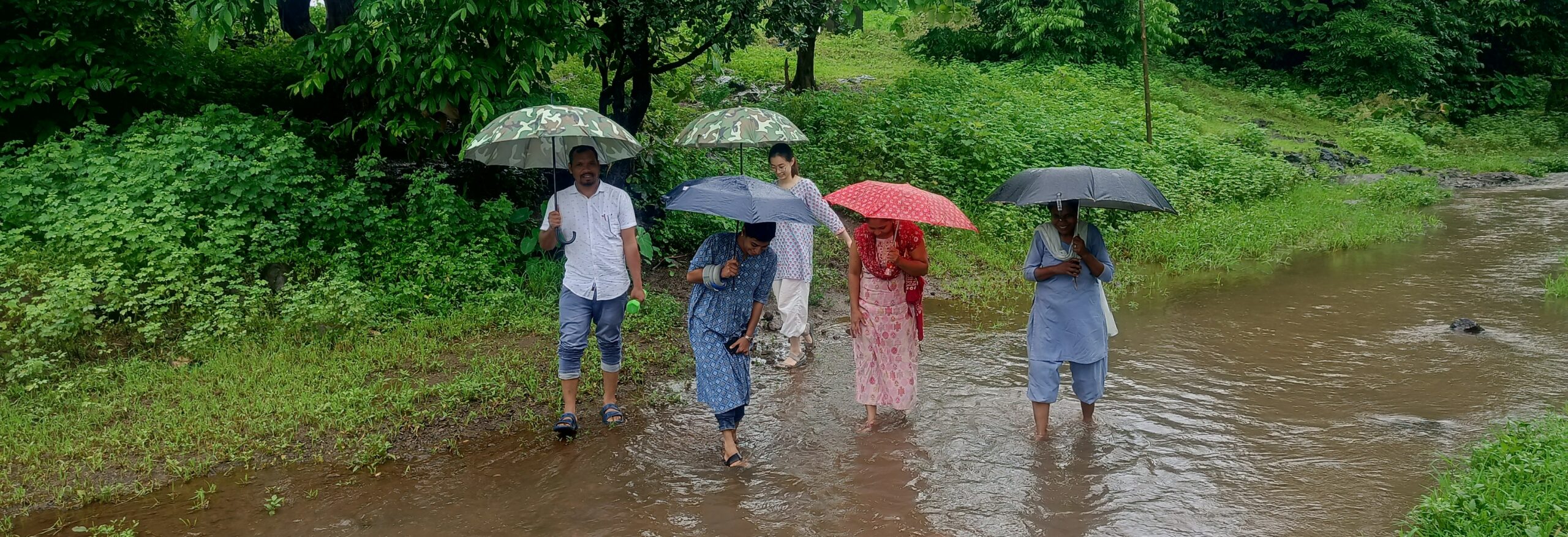
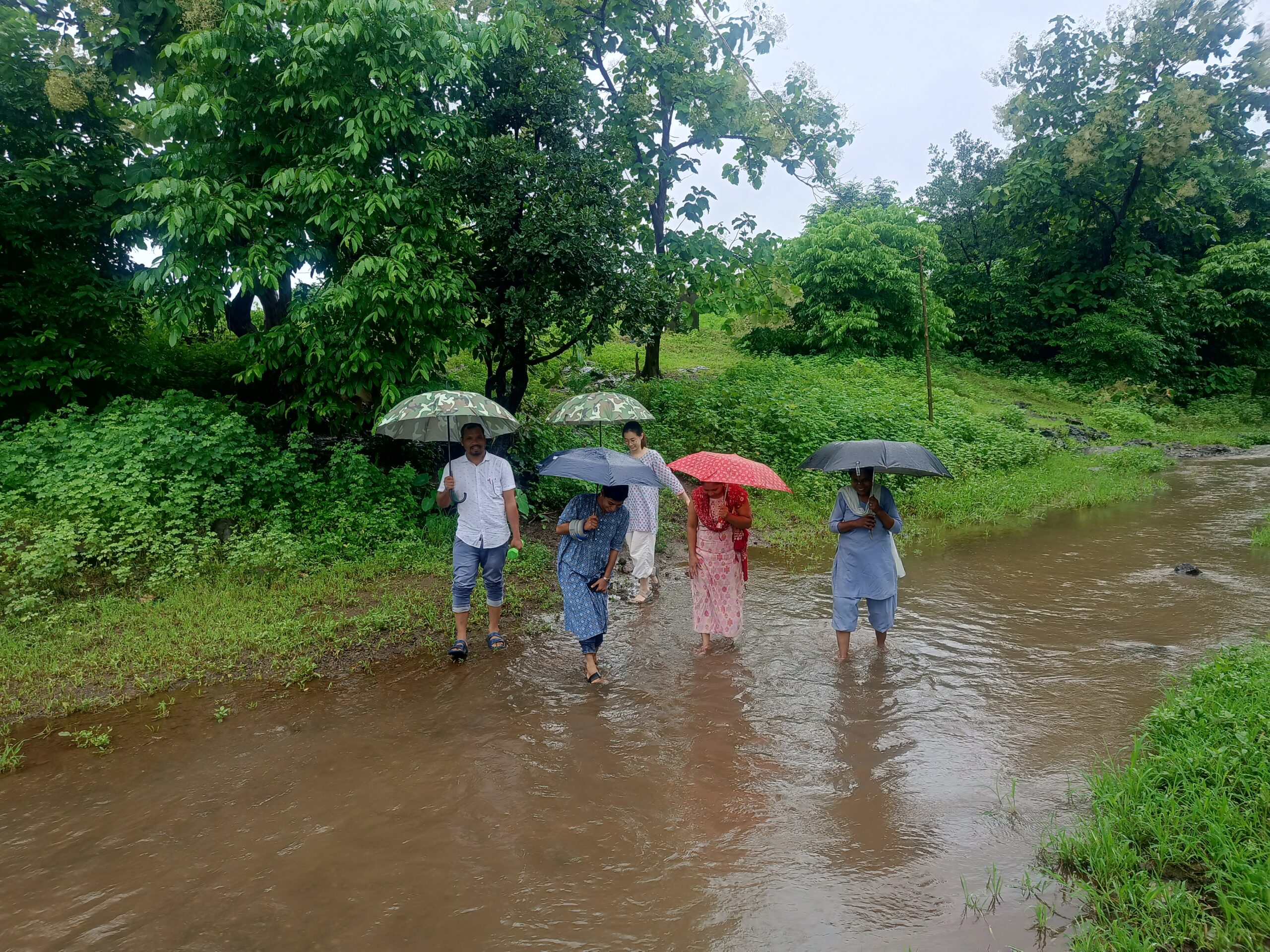
It is hard for most of us here in the UK to imagine just how remote some of the CCH patients really are. Dr Ashita shares, “People have to go through jungles and navigate rivers and do really hard journeys even to come to us, but they’re willing to do that because they receive good care.”
For those who are too sick to make the difficult journey to the hospital, CCH’s palliative care team will make the arduous journey to them. They may walk up to three miles to places without roads or bridges, to ensure that patients are able to receive the vital care they need.
A large part of their work involves providing end-of-life care to those who are terminally ill. This work is almost entirely funded by MAI supporters, and there is no charge to the families.
But the team also works to try and prevent people from getting to the point where they need end-of-life care. This includes providing information on illnesses such as cancer, so that they can be caught early and hopefully treated before it’s too late. They also provide care for those with conditions that could be life-limiting if left untreated. Here are just a few examples.
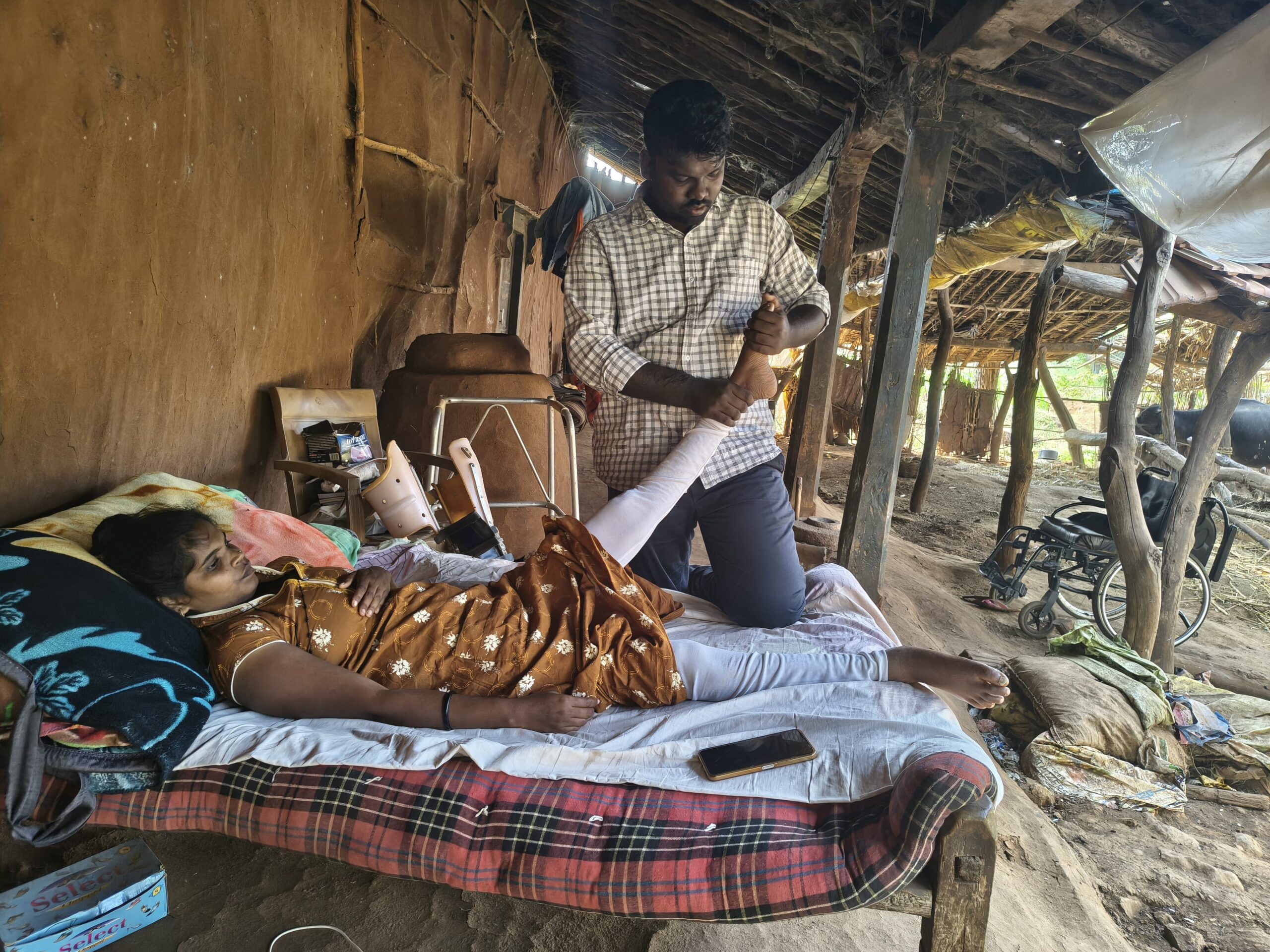
Subhash is the physiotherapist in the team. Here, he is treating 18-year-old Itma. She suffered a spinal injury following an accident and was bedridden when the team first met her. Thanks to their support, Itma is now able to use a wheelchair and walk with the support of orthosis.
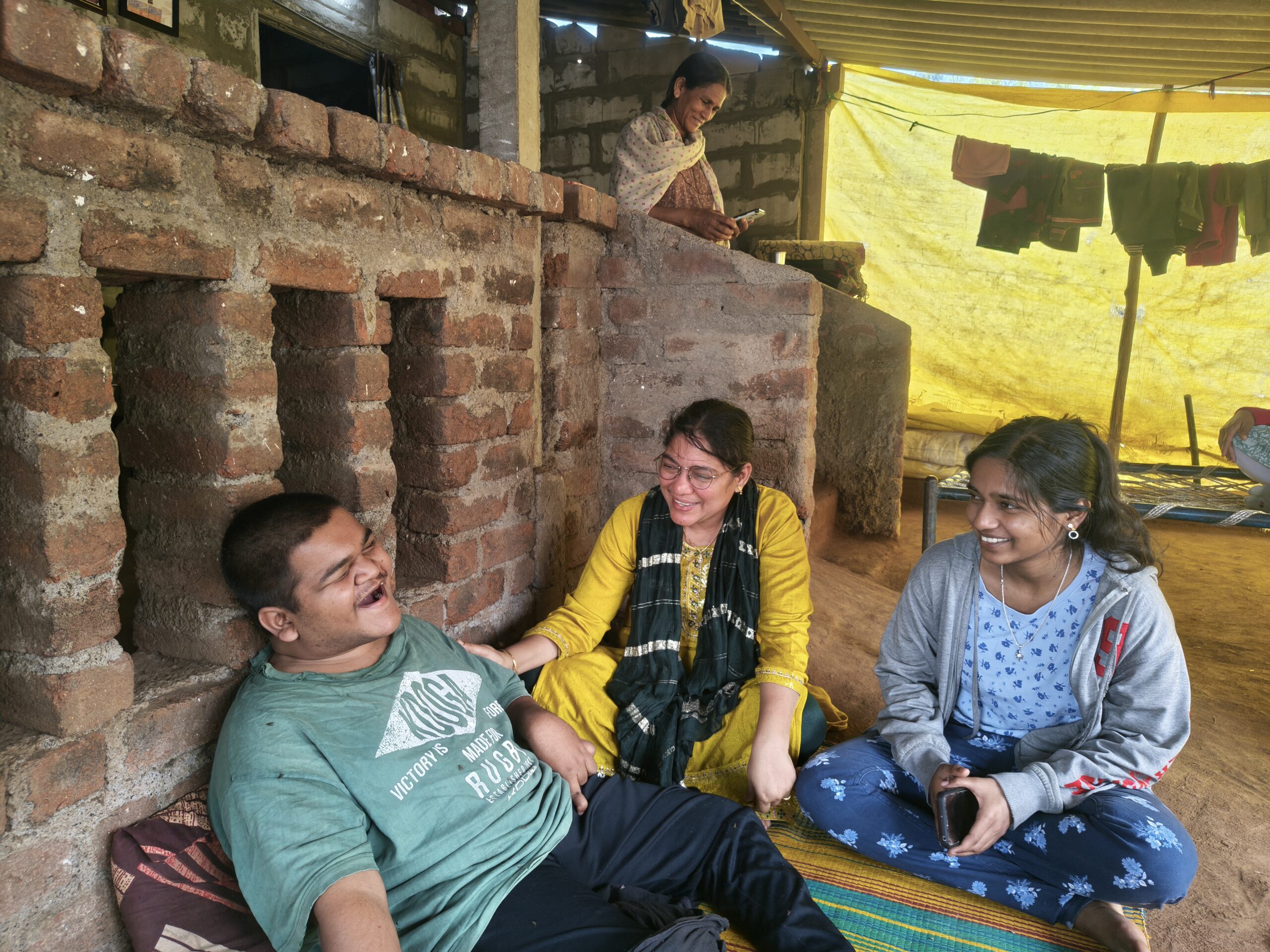
Sagar (left) is a 20-year-old living with cerebral palsy. The team provide him with ongoing supportive care, physiotherapy management, and practical guidance aimed at improving Sagar’s daily functioning and overall quality of life.
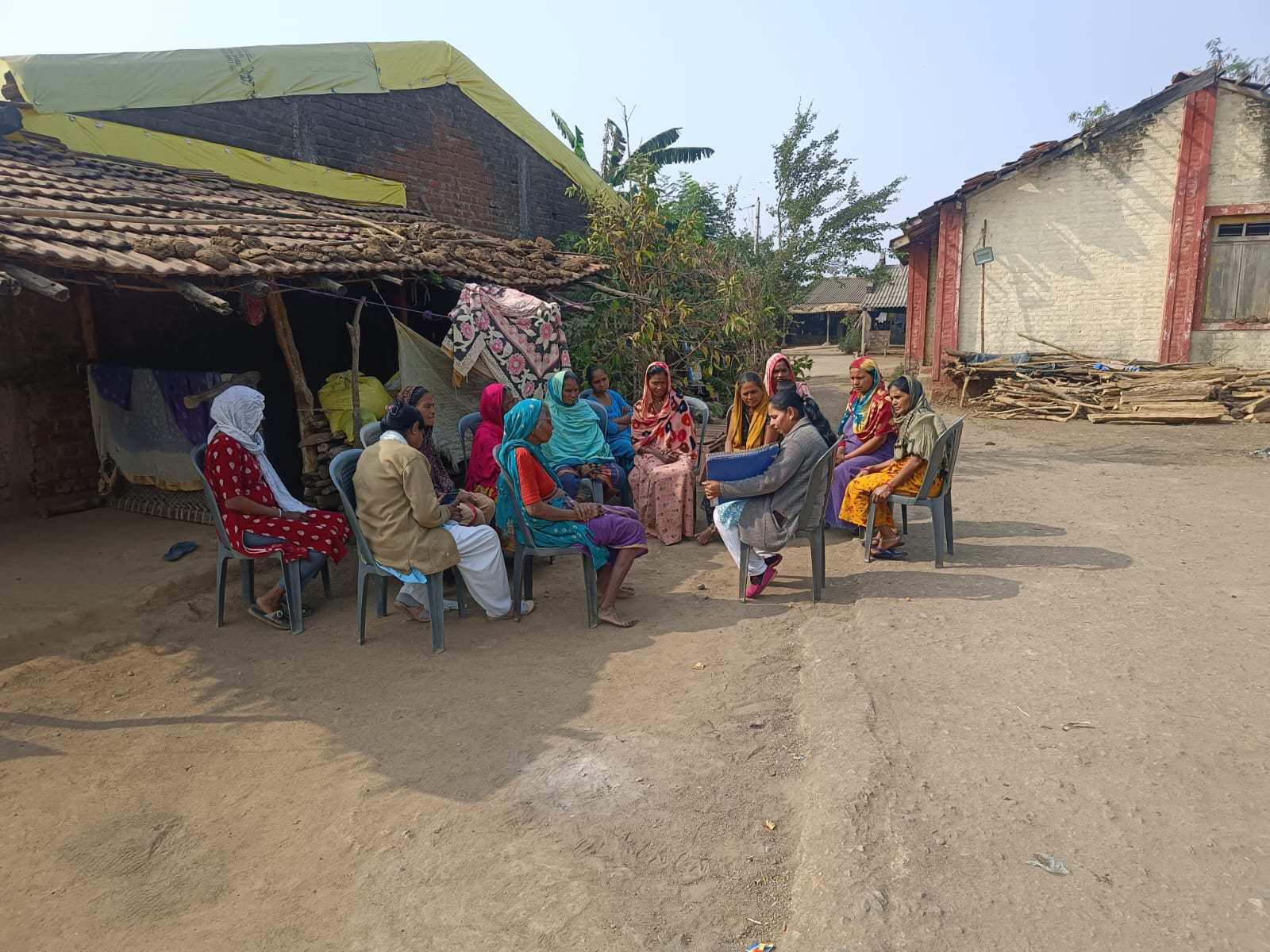
The team also provides education on health care topics in the communities they serve, where many people have limited levels of formal education and can struggle to access information about their health. Here, nurse Laxmi is giving information on breast cancer and ovarian cancer.
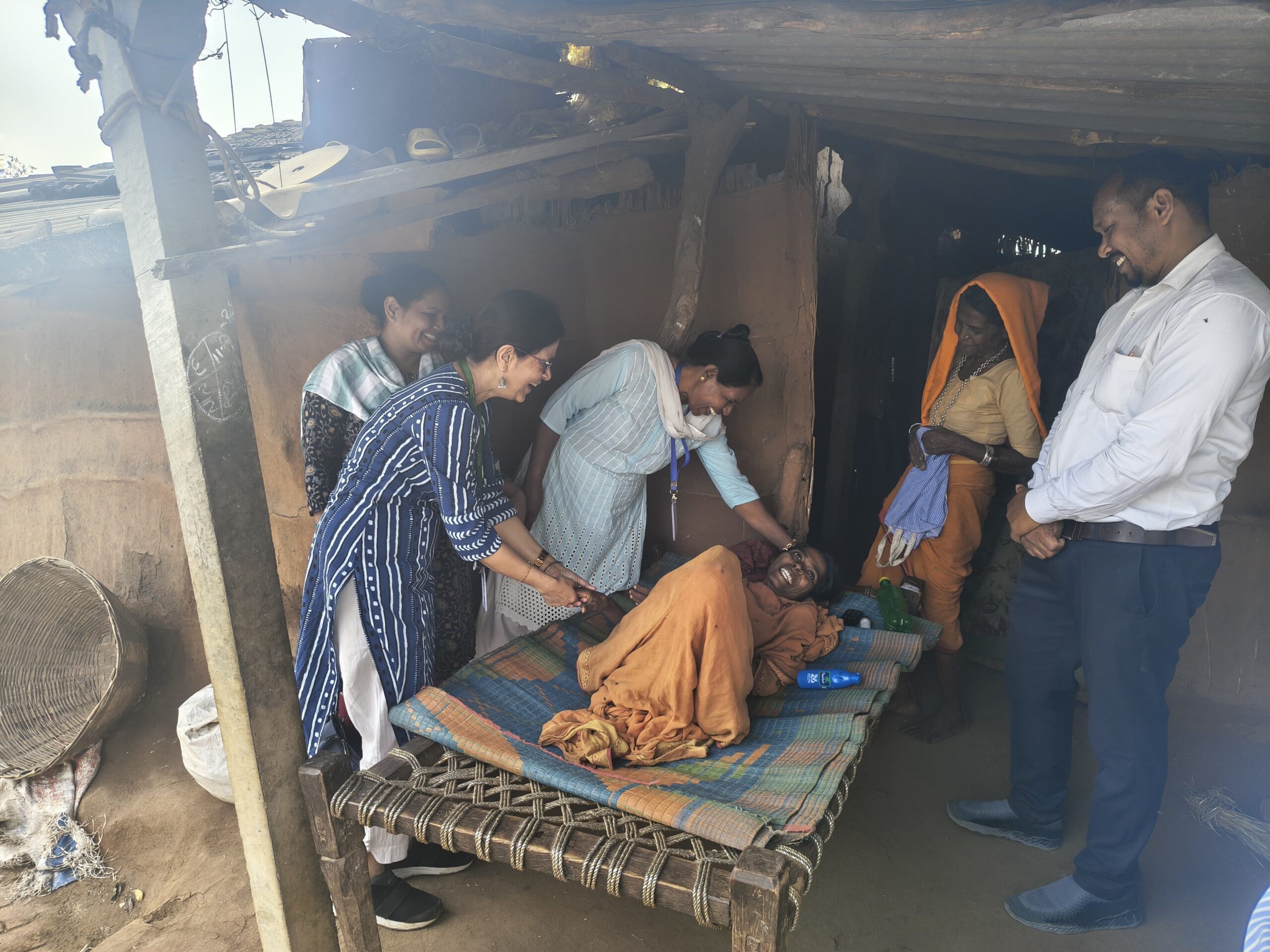
Here, the team are visiting Dillibai, who has breast cancer. So far, she has declined the offer of medication from the team, and is pursuing indigenous forms of treatment. They have continued to support her and her family with symptom management, wound care, and comfort-focused measures, while respecting her choices.
Thank you for supporting this incredible team
Without their help, most of the people they care for simply wouldn’t be able to access the health care they need, leaving them to live in unnecessary pain and without hope that their conditions can be improved. Thank you for helping to bring health and hope to Nandurbar, one of the poorest districts in India.
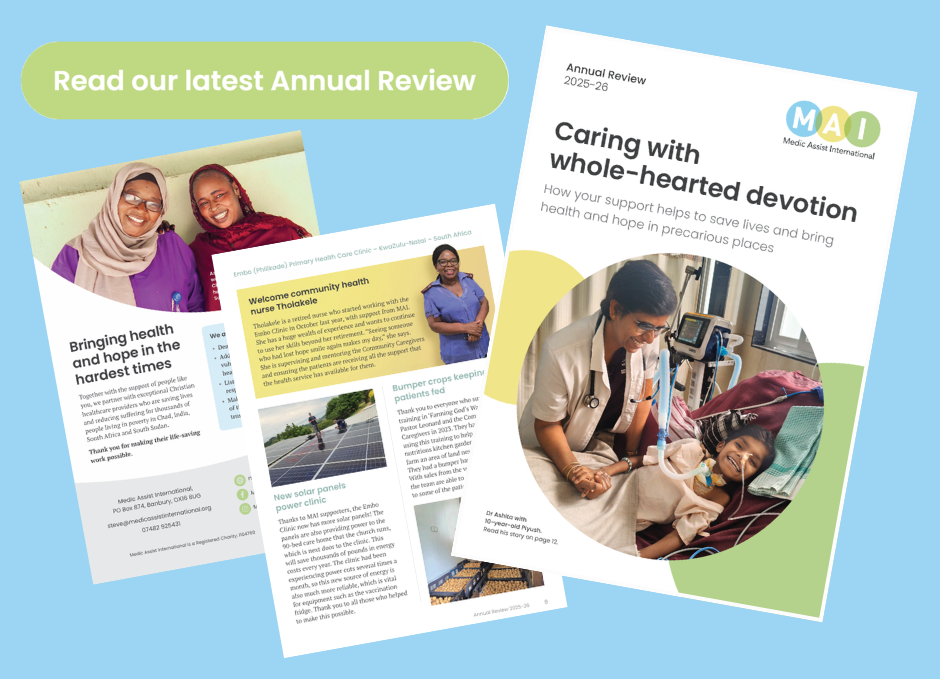
Read more in our annual review
This story was included in our latest annual review. You can read our annual review online here, and find more inspiring stories of how our partners are bringing health and hope to those facing their hardest times.